


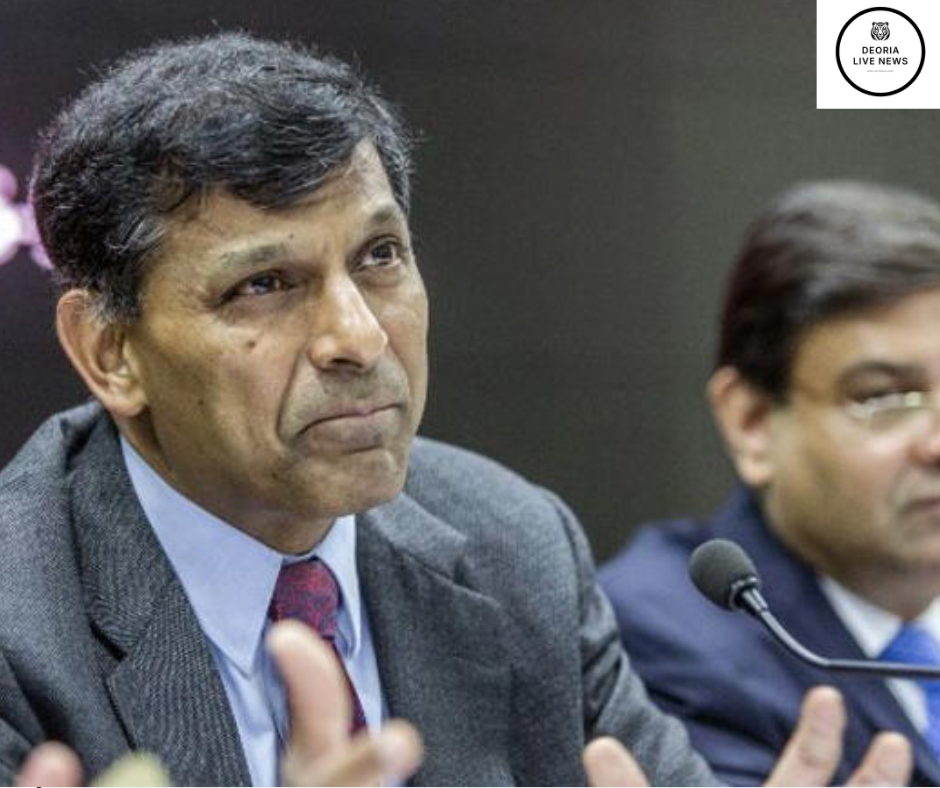
Former Reserve Bank of India (RBI) Governor Raghuram Rajan has sparked fresh debate with his recent remarks on India’s economic trajectory. Speaking at a global forum, Rajan used the phrase “Ghar ke sher, global zero” to point out what he sees as a disconnect between India’s domestic growth narrative and its limited influence on the global economic stage.
Rajan acknowledged that India has seen consistent GDP growth and improvements in sectors like infrastructure, digital payments, and manufacturing. However, he argued that this internal progress hasn’t translated into significant global economic influence. According to him, countries like China have effectively converted domestic growth into international economic clout, something India is yet to achieve.
One of Rajan’s main concerns is the over-reliance on a few sectors and government-led spending, rather than encouraging broader private sector innovation. He also emphasized the need for more skilled jobs, stronger exports, and higher-quality education and healthcare to sustain long-term development.
The comment has led to mixed reactions—some see it as a necessary critique from a seasoned economist, while others view it as an overly pessimistic take. Regardless, Rajan’s words serve as a reminder that true economic success isn’t just about numbers at home, but also about making an impact globally.
In a time where India is positioning itself as a rising power, his remarks invite reflection on what kind of growth the country should aim for—one that is not only fast but also inclusive and globally relevant.