


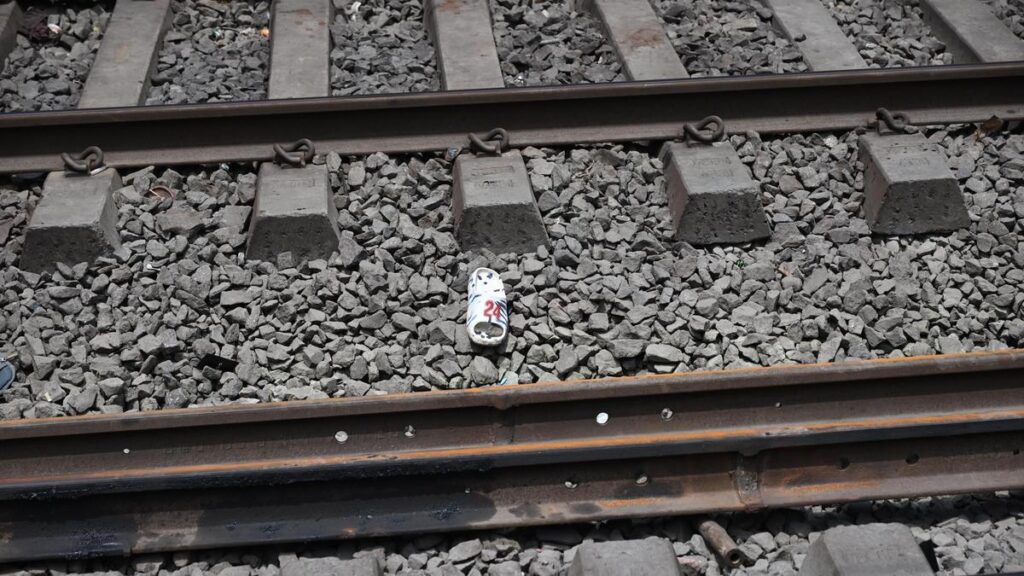
In a heartbreaking turn of events on Monday morning, June 9, 2025, the ever-bustling Mumbai local train system turned into a scene of chaos and sorrow. An overcrowded train near Mumbra station, part of the Central Railway network, led to six tragic deaths and seven serious injuries after multiple passengers fell from the moving train — highlighting once again the perils of commuting in India’s financial capital.
💥 The Incident That Shook Mumbai
At around 9:00 AM, between Diva and Kopar stations, commuters clung to the footboards of a jam-packed non-AC train — a daily but dangerous ritual for thousands. In a horrific moment, 13 passengers lost their grip and fell, with six losing their lives, including Railway Police constable Vicky Mukhyadal (34), who was on duty.
The others, severely injured, were rushed to nearby hospitals. Eyewitnesses described the moment as “absolute panic,” with people screaming as bodies hit the ground.
🚨 Railway Authorities React — A Wake-Up Call?
While the Central Railway initially reported only injuries, by noon the full extent of the tragedy was confirmed. The incident has sparked massive outrage and renewed demands for commuter safety.
In response, Indian Railways has announced a groundbreaking move — all upcoming non-AC suburban trains in Mumbai will be fitted with automatic door-closing systems. The first prototype is expected to hit the tracks by January 2026.
“We can’t lose more lives to avoidable tragedies,” said a senior Railway Board official.
“Door safety is no longer optional — it’s urgent.”
🕵️♂️ Mumbai’s Dark History with Rail Fatalities
The incident is just another chapter in Mumbai’s grim railway safety record. In the past two decades, more than 51,000 people have died on Central and Western Railway lines — from falling off trains, crossing tracks, or slipping during peak hours.
- Hotspots for death due to falls: Kalyan and Vasai
- Top stations for track-crossing fatalities: Thane and Borivli
- Recent spikes: 2023-24 saw record accidents despite previous safety drives
🔧 What’s Next? From Tragedy to Transformation
The Railway Board has greenlit the redesign of all current rakes to include secure automatic doors. Until now, this feature was limited mostly to AC local trains. With pressure mounting, the focus is shifting to non-AC trains, which carry the bulk of Mumbai’s 7.5 million daily commuters.
Passengers and citizen groups are now demanding:
- Speedy installation of safety doors across all trains
- AI-powered surveillance systems
- Real-time crowd monitoring to prevent overloading
🔚 Final Thoughts: A City in Motion Needs Protection
Mumbai’s lifeline — its local train network — is both a marvel and a monster. The tragedy near Mumbra is a reminder that convenience should not cost lives. As the city marches forward, the tracks must become safer, or the cost will be paid in blood.